During Hollywood’s golden era, the screen often reflected glamour, success, and effortless talent, but behind many of those iconic performances were complex personal stories shaped by pressure, early exposure, and an industry that demanded more than it gave.
The life of Judy Garland stands as one of the most powerful examples of this contrast, revealing how extraordinary talent can exist alongside deep personal challenges, especially when fame begins at an early age.
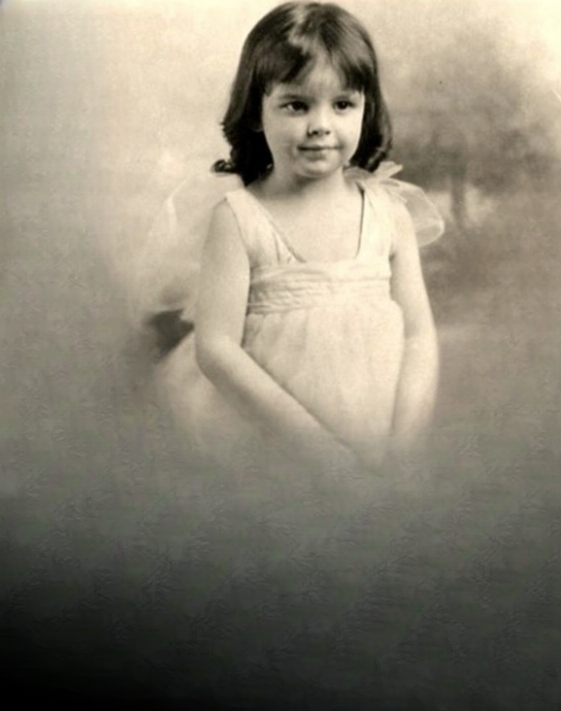
Born Frances Ethel Gumm in 1922, she entered the world of performance almost immediately, appearing on stage as a young child alongside her family, growing up in an environment where entertainment was not just an opportunity but an expectation.
Her early years were closely tied to performance, with little separation between childhood and career, as rehearsals, appearances, and public expectations became part of her everyday life long before she could fully understand their impact.
Behind the scenes, her upbringing was marked by instability and emotional pressure, as her path was guided by ambition and constant performance demands, shaping how she viewed success, identity, and personal value.
As she entered the Hollywood studio system in her early teens, the pressure intensified, with long working hours, strict schedules, and expectations related not only to performance but also to appearance and behavior.
The industry at that time focused heavily on productivity, often overlooking the wellbeing of young performers, and this environment introduced challenges that would follow her throughout her life.
Despite these pressures, her talent quickly became undeniable, and she rose to prominence through film roles that showcased her unique voice and emotional depth, capturing the attention of audiences around the world.
Her most iconic role came with The Wizard of Oz, where she portrayed Dorothy, a character whose journey of longing and search for belonging resonated deeply with viewers and became one of the most recognizable performances in film history.
The success of that role established her as a global icon, but it also came with increased expectations, demanding schedules, and continued pressure that extended beyond the screen into her personal life.
As her career progressed, she continued to deliver powerful performances, including roles in films such as Meet Me in St. Louis and later A Star Is Born, showing her ability to evolve as an artist while maintaining emotional authenticity.
However, the demands of the industry, combined with early exposure to intense work environments, contributed to ongoing personal struggles, highlighting the challenges faced by performers whose careers begin in childhood.
Over time, her life became a reflection of both brilliance and difficulty, as success and hardship existed side by side, shaping a legacy that goes beyond performance alone.
When she passed away in 1969 at the age of 47, her story prompted widespread reflection, not only about her talent but about the conditions that shaped her journey and the broader realities of the entertainment industry during that era.
Today, her legacy continues to resonate, not only through her music and films but through the conversations her life has inspired about talent, pressure, and the importance of protecting individuals within creative industries.
In the end, the story of Judy Garland is not only about fame, but about resilience, complexity, and the enduring impact of an artist who remained unforgettable despite the challenges behind the spotlight.