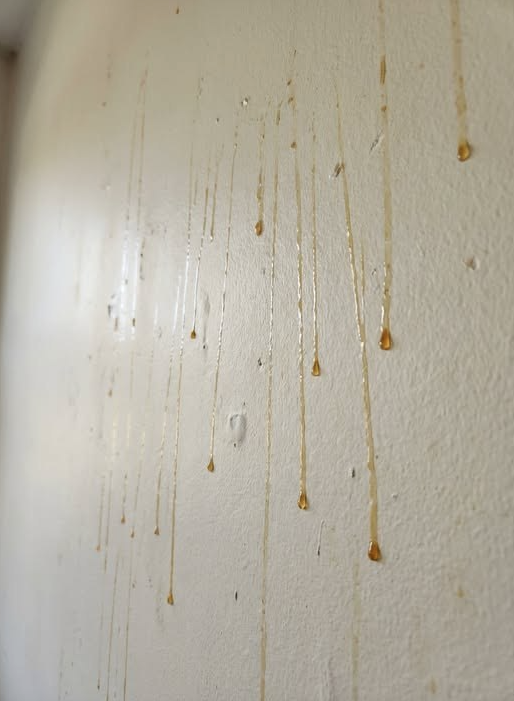
Noticing yellow streaks or drips on your bathroom walls can feel unexpected and concerning, especially when everything else appears clean, but in most cases, the cause is common and manageable once you understand what is happening.
Bathrooms are naturally prone to issues like discoloration because they combine high humidity, frequent water exposure, temperature changes, and sometimes limited airflow, all of which can affect surfaces over time.
When hot showers create steam, moisture settles on walls and ceilings, and if it does not evaporate quickly, it can lead to buildup or staining, even in well-maintained spaces.
One common cause of yellow streaks is residue from airborne particles, such as smoke, cooking oils, or dust, which settle on walls and become more visible when mixed with moisture.
Another frequent source is the buildup of soaps, shampoos, and cleaning products, which leave a thin film that can gradually discolor and begin to drip under repeated exposure to steam.
Hard water can also contribute, as minerals left behind after evaporation may create yellowish or chalky streaks, particularly near showers, sinks, or areas with frequent water contact.
In some cases, early moisture-related growth may be responsible, especially if the bathroom remains damp for long periods, sometimes accompanied by a slight odor or spreading discoloration.
The condition of the paint itself can also play a role, as older or non-moisture-resistant paint may react to humidity and develop yellowish patches or streaks over time.
Identifying the cause is important, and simple observations such as texture, location, and smell can provide useful clues about what you are dealing with before starting any cleaning.
For light buildup, a simple solution of warm water and mild dish soap is often enough to remove residue safely without damaging the surface.
If mineral deposits are present, a mixture of vinegar and water can help dissolve the buildup, making it easier to wipe away without harsh chemicals.
For more stubborn stains, a baking soda paste can provide gentle scrubbing power, helping remove buildup while protecting the surface from scratches.
If the issue appears related to prolonged moisture or recurring discoloration, deeper cleaning or even repainting with moisture-resistant products may be necessary to fully resolve the problem.
Prevention is just as important as cleaning, and improving ventilation is one of the most effective steps, whether by using an exhaust fan, opening windows, or allowing airflow after showers.
Regularly wiping down wet surfaces can also prevent buildup from forming, reducing the chances of streaks appearing over time.
Using water-resistant paint and materials in bathrooms provides additional protection, especially in areas frequently exposed to moisture.
Addressing small issues such as leaks or standing water early can also prevent long-term problems, as even minor moisture sources can contribute to recurring stains.
In the end, yellow streaks on bathroom walls are usually a result of everyday environmental factors, and with proper cleaning, maintenance, and airflow, they can be easily managed and prevented in the future.