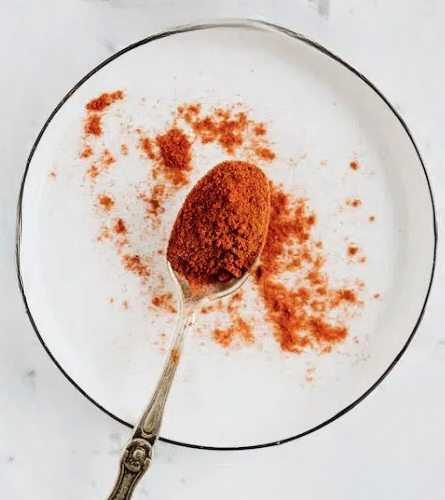
Paprika is one of the most commonly used spices in kitchens around the world, often added to dishes for its vibrant color and mild flavor, yet many people are surprised when they learn what it is actually made from.
Despite its rich appearance and widespread use in cooking, paprika does not come from a special plant or rare source, but instead is simply made from dried and ground red peppers, most commonly sweet varieties of capsicum.
These peppers are allowed to fully ripen until they turn bright red, then harvested and dried, either naturally in the air or using modern dehydration methods, before being ground into the fine powder known as paprika.
The simplicity of this process often surprises people, as many assume paprika comes from a unique spice plant, when in reality it originates from the same family as everyday bell peppers found in many kitchens.
Depending on the type of pepper used and how it is processed, paprika can vary in flavor, ranging from sweet and mild to smoky or slightly spicy, which is why it appears in such a wide variety of dishes across different cuisines.
For example, smoked paprika is created by drying peppers over smoke before grinding them, giving the spice a deeper, richer flavor that is often used in Mediterranean and Spanish cooking.
Paprika plays an important role in traditional dishes around the world, particularly in Hungarian cuisine, where it is a key ingredient in meals like goulash, and in Spanish cooking, where it is used in dishes such as chorizo and paella.
Its versatility allows it to enhance everything from soups and stews to roasted vegetables, meats, and even simple dishes like eggs or potatoes, making it a staple ingredient in many households.
Interestingly, paprika can also be made at home by drying fresh red peppers and grinding them into powder, offering a fresher and more personalized flavor compared to store-bought versions.
Understanding where paprika comes from can change how people view this everyday spice, transforming it from something mysterious into something simple, natural, and easy to appreciate.
It also highlights how many common ingredients in cooking come from familiar plants, even though they may appear different in their final form after processing.
As more people become interested in food origins and preparation, paprika continues to gain attention not just for its flavor, but for its connection to natural ingredients and traditional methods.
Its growing popularity in modern recipes shows how even simple spices can be used in creative ways, from seasoning snacks to enhancing complex dishes, making it a versatile tool in the kitchen.
In the end, paprika is a reminder that some of the most widely used ingredients are also the simplest, created through basic processes that transform everyday plants into flavorful additions to our meals.