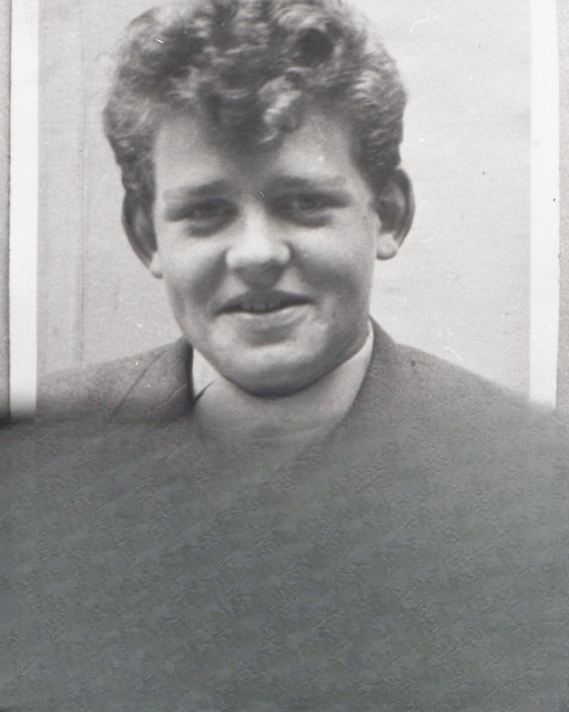
Not every global music icon begins with a polished image or a smooth path to success, and Joe Cocker is a powerful example of how raw emotion and authenticity can leave a lasting mark far beyond technical perfection.
Born in Sheffield during a time shaped by industry and post-war reality, his early life was far from glamorous, growing up in an environment defined by hard work and routine rather than artistic ambition.
Before music became his path, he trained as a gas fitter, living a practical life, yet something deeper pulled him toward performing, leading him to sing in small venues where he began developing a style that would later define his identity.
What set him apart was not flawless technique but emotional depth, as his voice carried a raw and expressive quality that connected with audiences in a way that felt genuine and lived rather than controlled or polished.
His breakthrough came in 1969 at the legendary Woodstock Festival, where his performance of “With a Little Help from My Friends” transformed him into an international sensation, capturing attention with its intensity and unforgettable presence.
The performance was powerful, unpredictable, and deeply emotional, showing a level of expression that stood out in an era filled with strong musical personalities, making it one of the defining moments of his career.
However, success brought its own challenges, as the pressures of fame, constant touring, and the demands of the industry led to personal struggles, including substance use and periods of instability that affected both his health and career.
There were times when performances were disrupted, and life off stage became difficult, creating uncertainty about whether he would be able to sustain his career in the long term.
Despite these challenges, his story did not end there, as he returned in the early 1980s with renewed focus, marking a significant comeback that reintroduced him to audiences and demonstrated his resilience.
One of the key moments in this comeback was the success of “Up Where We Belong,” a duet with Jennifer Warnes, which earned widespread recognition and connected with a new generation of listeners.
This phase of his career reflected a more grounded and stable approach, allowing him to continue performing while maintaining greater balance in his personal life.
A major turning point came through his personal relationships, which provided stability and support, helping him move away from the chaos that had once defined much of his journey.
Throughout his career, his music remained rooted in authenticity, as songs like “You Are So Beautiful” and “Unchain My Heart” carried emotional weight that resonated deeply with listeners.
He was never focused on perfection, but on expression, delivering performances that felt real, personal, and deeply connected to his own experiences.
In 2014, he passed away at the age of 70 after battling illness, leaving behind a legacy defined not by flawless execution, but by honesty, emotion, and the ability to turn life’s challenges into meaningful art.
Today, his music continues to be appreciated because it reflects something universal, showing that true impact often comes from authenticity rather than perfection, and that lasting influence is built through connection rather than image.