Introduction: A Small Gesture With Deep Meaning
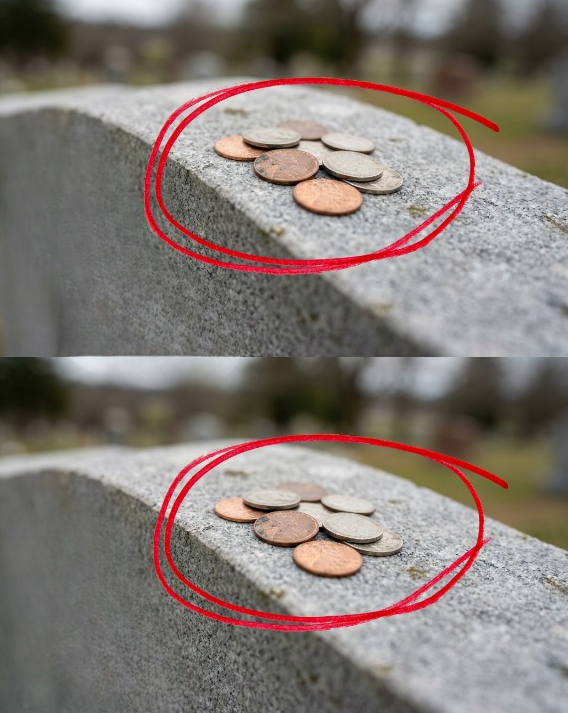
If you have ever walked through a cemetery, especially one that includes military graves, you may have noticed coins placed carefully on headstones. At first glance, it might seem accidental, as if someone dropped spare change or left it behind without thinking. However, this simple act carries a powerful and deeply rooted meaning.
Placing coins on gravestones is not random. It is a tradition built on respect, remembrance, and connection. Each coin left behind represents a message, often understood without a single word being spoken. Over time, this quiet ritual has become a meaningful way for people to honor those who have passed, particularly those who served in the military.
The Origins of the Tradition
The practice of leaving coins on graves can be traced back thousands of years. In ancient civilizations such as Greece and Rome, coins were placed with the deceased to ensure safe passage into the afterlife. It was believed that a ferryman named Charon would guide souls across a river, and the coin acted as payment for that journey.
As time passed, this tradition evolved. It took on new meaning, especially among military communities. During and after the Vietnam War, veterans began using coins as a subtle way to pay tribute to fallen comrades. Instead of drawing attention, they chose a quiet, respectful method that carried personal significance.
Eventually, this practice became widely recognized in military cemeteries. Coins turned into symbols of shared experience, remembrance, and honor. What began as an ancient ritual transformed into a modern language of respect.
Understanding the Meaning of Each Coin
One of the most unique aspects of this tradition is that each type of coin holds a specific meaning. The value of the coin is not important in a financial sense. Instead, its significance lies in what it represents.
Pennies: A Simple Act of Remembrance
The most commonly seen coin on a gravestone is the penny. Its meaning is straightforward yet meaningful. Leaving a penny indicates that someone visited the grave and took a moment to remember the person.
This gesture does not require a personal connection. Even strangers can leave a penny as a sign of respect. It is a way of acknowledging a life that once was and ensuring that the individual is not forgotten.
For families, seeing a penny on a loved one’s grave can be comforting. It shows that others still care, even if they never knew the person personally.
Nickels: A Shared Beginning
A nickel carries a more personal message. It is typically left by someone who attended boot camp with the deceased. This indicates that they went through the early stages of military training together.
Boot camp is often one of the most challenging experiences in a service member’s life. It creates strong bonds between individuals who train side by side. Leaving a nickel is a way of honoring that shared beginning.
It represents friendship, struggle, and the memories formed during that time. Even if years have passed, the connection remains.
Dimes: Standing Together in Service
A dime signifies a deeper level of connection. It is left by someone who served alongside the individual, often in the same unit or deployment.
This coin represents shared experiences during active duty. It reflects moments of hardship, teamwork, and trust that only those who have served together can fully understand.
Placing a dime on a gravestone is a way of saying that the bond created during service still lives on. It honors both the individual and the experiences they shared.
Quarters: A Powerful and Personal Tribute
Among all the coins, the quarter holds the most emotional weight. It is left by someone who was present at the time of the individual’s passing.
This could mean they were there during a final moment in battle or witnessed the event firsthand. Leaving a quarter is deeply personal and carries a strong emotional connection.
It represents loyalty, remembrance, and the pain of loss. It is a silent message that says the person was not alone in their final moments.
Why Coins Are Used
Coins are chosen for both practical and symbolic reasons. Unlike flowers, they do not fade or blow away. They remain in place, serving as a lasting sign of remembrance.
They are also small and accessible. Anyone can participate in the tradition without needing preparation or expense. This makes the gesture universal and inclusive.
Beyond practicality, coins have long symbolized value and exchange. In this context, they represent a form of emotional expression. They act as a quiet offering, a way to show respect without words.
In some cases, coins collected from graves are donated to organizations that support veterans and their families. This adds another layer of meaning, allowing the tradition to contribute to a greater purpose.
A Silent Language of Respect
What makes this tradition truly special is its simplicity. There are no formal rules, no required ceremonies, and no need for recognition.
Each coin placed on a grave carries intention. It is not left by accident. It is a deliberate act that communicates something deeply personal.
Even without knowing who placed the coin, others can understand its meaning. It becomes a shared language, one built on respect and remembrance.
For families, these small gestures can provide comfort. They serve as a reminder that their loved ones are not forgotten. Their legacy continues through the actions of others.
The Emotional Impact on Families
For those who visit the graves of loved ones, finding a coin can be a powerful experience. It shows that someone else took the time to stop, reflect, and honor that life.
This can bring a sense of connection and reassurance. It suggests that the individual’s story still matters and continues to be recognized.
In moments of grief, even the smallest signs of remembrance can carry great meaning. A single coin can speak volumes.
A Tradition Passed Through Generations
Unlike many traditions that rely on formal instruction, this one is often passed down quietly. Veterans share its meaning with one another, and over time, it spreads to others.
It does not require publicity or explanation to continue. Its strength lies in its simplicity and sincerity.
Each new generation that learns about it helps keep it alive. The act remains unchanged, even as the world evolves.
Taking a Moment to Reflect
The next time you come across a coin on a gravestone, take a moment to pause. Consider what it represents and the story behind it.
It is not just a piece of currency. It is a message. It is a sign that someone remembered, someone cared, and someone chose to honor a life.
Respecting that gesture means understanding its significance and allowing it to remain as it is.
Final Thoughts
The tradition of leaving coins on gravestones is a powerful example of how small actions can carry deep meaning.
It connects the past with the present. It allows people to express respect, remembrance, and shared experience in a simple yet profound way.
In a world that often values grand gestures, this quiet tradition stands out. It reminds us that sometimes the smallest acts are the most meaningful.
And in that simplicity, it continues to honor lives, preserve memories, and create connections that go beyond words.