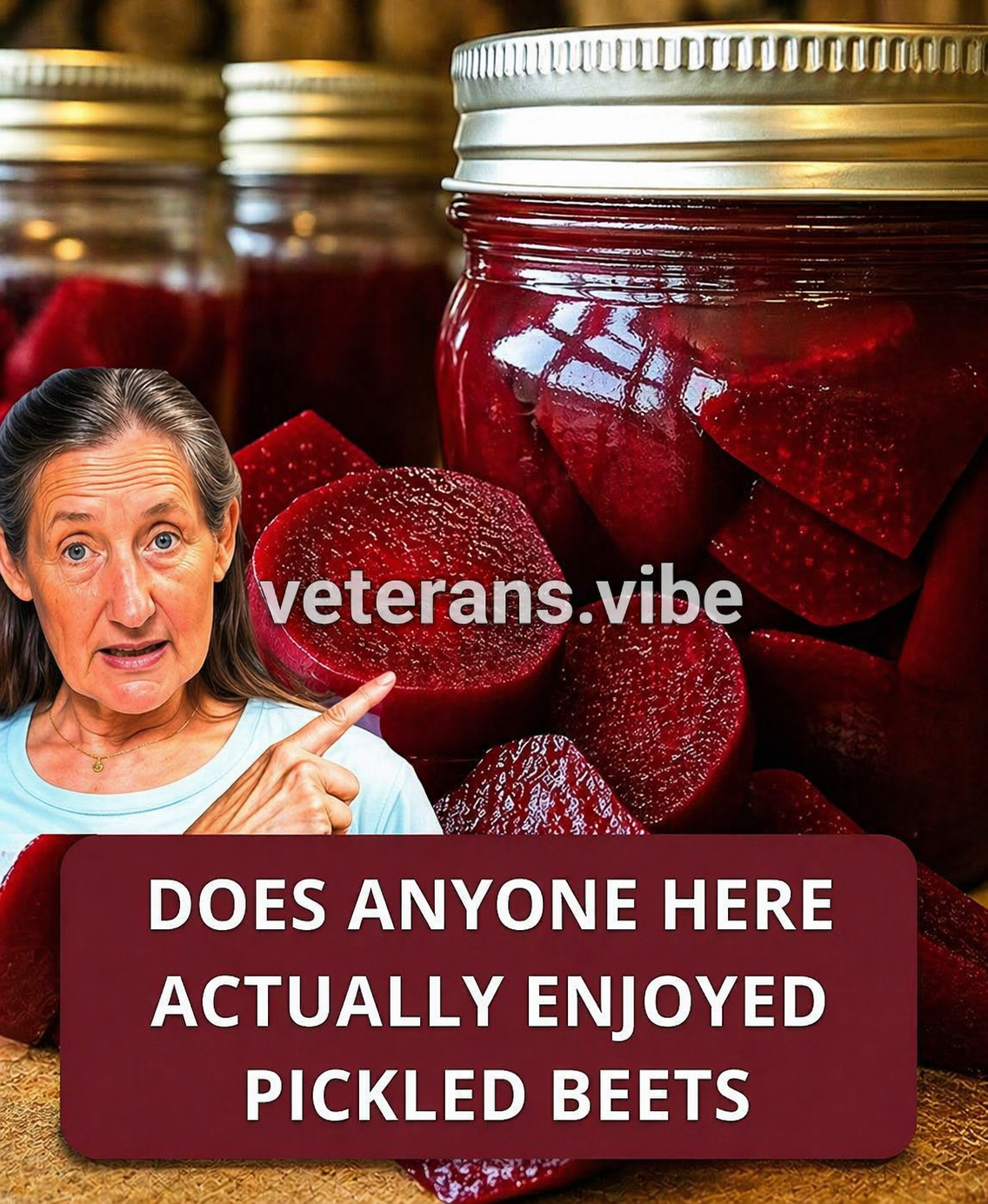
In today’s world of processed foods and fast meals, more people are returning to traditional, homemade recipes that offer both flavor and real nutritional value. Among these timeless options, pickled beets stand out as one of the most versatile, affordable, and health-supporting foods you can prepare in your own kitchen.
At first glance, pickled beets may seem like a simple side dish. However, they offer much more than just color and taste. They combine natural plant nutrients with a preservation method that enhances flavor, extends shelf life, and makes meal planning easier.
Whether you are interested in healthier eating, meal prep, or adding more vegetables to your diet, this guide will walk you through everything you need to know—from preparation to storage, benefits, and creative ways to use pickled beets daily.
Why Pickled Beets Are Making a Comeback
In recent years, there has been a strong shift toward:
- Whole foods
- Homemade recipes
- Gut-friendly and fermented-style foods
- Natural preservation methods
Pickled vegetables—including beets—fit perfectly into this trend.
Key Reasons People Love Pickled Beets
- Long shelf life (ideal for meal prep)
- Sweet and tangy flavor combination
- Easy to prepare in batches
- Works with many dishes
- Budget-friendly and accessible
For those looking to reduce reliance on processed foods, pickled beets provide a natural, homemade alternative.
Nutritional Benefits of Beets (Why They Matter)
Beets are not just flavorful—they are nutrient-dense and support multiple areas of health.
Key Nutrients in Beets
- Fiber – supports digestion
- Folate (Vitamin B9) – supports cell function
- Potassium – important for body balance
- Natural antioxidants – help protect cells
Even after pickling, many of these nutrients remain available, making pickled beets a practical addition to a balanced diet.
Ingredients for Homemade Pickled Beets
To create a well-balanced, flavorful batch, you only need a few basic ingredients:
Main Ingredients
- 6 medium fresh beets
- 1 cup white vinegar
- 1 cup water
- 1/2 cup sugar (adjustable)
- 1/2 teaspoon salt
Optional Flavor Enhancers
- 1/4 teaspoon ground cloves
- 1/2 teaspoon black peppercorns
- 1 cinnamon stick
These ingredients create a perfect balance of:
- Sweetness
- Acidity
- Mild spice
Step-by-Step Guide to Making Pickled Beets
Step 1: Clean and Prepare the Beets
Because beets grow underground, proper cleaning is essential.
- Wash thoroughly under running water
- Remove stems and roots
- Avoid cutting too deeply to preserve flavor
Place the cleaned beets into a pot and cover with water.
Step 2: Cook Until Tender
- Bring water to a boil
- Reduce heat and simmer for 25–40 minutes
- Test with a fork (should slide in easily)
Once done:
- Drain water
- Let beets cool slightly
- Remove skins (they peel off easily after cooking)
Slice into:
- Rounds
- Cubes
- Wedges
Step 3: Prepare the Pickling Liquid (Brine)
In a separate pot:
- Combine vinegar, water, sugar, and salt
- Heat gently while stirring
Optional:
- Add spices like cloves, peppercorns, or cinnamon
Let the mixture simmer briefly to blend flavors.
Step 4: Combine and Jar
- Place sliced beets into clean jars
- Pour warm brine over the beets
- Ensure all pieces are fully covered
This step is critical for:
- Even flavor
- Proper preservation
Step 5: Cool and Store
- Allow jars to cool at room temperature
- Seal with lids
- Store in refrigerator
For best taste:
👉 Wait 24–48 hours before eating
This allows flavors to fully develop.
How to Use Pickled Beets in Everyday Meals
Pickled beets are incredibly versatile.
Meal Ideas
✔ Add to salads for color and flavor
✔ Serve as a side dish with meat or plant-based meals
✔ Use in sandwiches or wraps
✔ Pair with cheese and nuts
✔ Eat directly as a healthy snack
Their sweet-tangy flavor enhances both simple and gourmet dishes.
Health-Focused Benefits (High RPM Section)
1. Supports Digestive Health
The combination of fiber and acidity can support:
- Better digestion
- Gut balance
- Nutrient absorption
2. Helps Maintain Energy Levels
Unlike processed snacks, pickled beets provide:
- Natural carbohydrates
- Gradual energy release
This can help reduce fatigue during the day.
3. Encourages Healthy Eating Habits
Having prepared vegetables ready in your fridge helps:
- Reduce fast food consumption
- Improve meal quality
- Support consistent nutrition
Storage and Shelf Life Tips
Proper storage is essential for safety and quality.
Best Practices
- Use sterilized jars
- Keep refrigerated
- Ensure beets remain submerged
Shelf Life
- Typically lasts 2–4 weeks in the refrigerator
Common Mistakes to Avoid
1. Not Cleaning Beets Properly
Dirt can affect flavor and quality.
2. Overcooking or Undercooking
Texture matters—aim for tender, not mushy.
3. Incorrect Vinegar Ratio
Too little acidity can affect preservation.
4. Skipping Resting Time
Flavor improves significantly after 24–48 hours.
Easy Variations to Try
Once you master the basic recipe, you can customize it:
Flavor Variations
- Garlic cloves → savory twist
- Apple cider vinegar → milder taste
- Mustard seeds → subtle spice
- Onions → extra texture
These variations help keep meals interesting.
Why Homemade Pickled Beets Are Better Than Store-Bought
Many store-bought products contain:
- Added preservatives
- Artificial flavors
- Excess sugar
Homemade pickled beets offer:
- Full control over ingredients
- Cleaner nutrition
- Better flavor
Meal Prep and Budget Benefits
Pickled beets are perfect for:
- Weekly meal prep
- Budget-friendly cooking
- Reducing food waste
You can prepare them in batches and use them throughout the week.
A Simple Habit With Long-Term Benefits
Healthy eating does not require complicated diets.
Small additions—like pickled beets—can help:
- Improve nutrition
- Add variety
- Support consistency
Final Thoughts
Pickled beets are a perfect example of how simple, traditional foods can still play a powerful role in modern nutrition.
They are:
- Easy to make
- Affordable
- Nutrient-rich
- Versatile
Conclusion
Incorporating homemade pickled beets into your routine is a simple step toward better eating habits.
With minimal ingredients and preparation, you can create a food that:
- Enhances meals
- Supports nutrition
- Saves time
Sometimes, the most effective changes are also the simplest.
And adding a jar of homemade pickled beets to your fridge might be one of them.