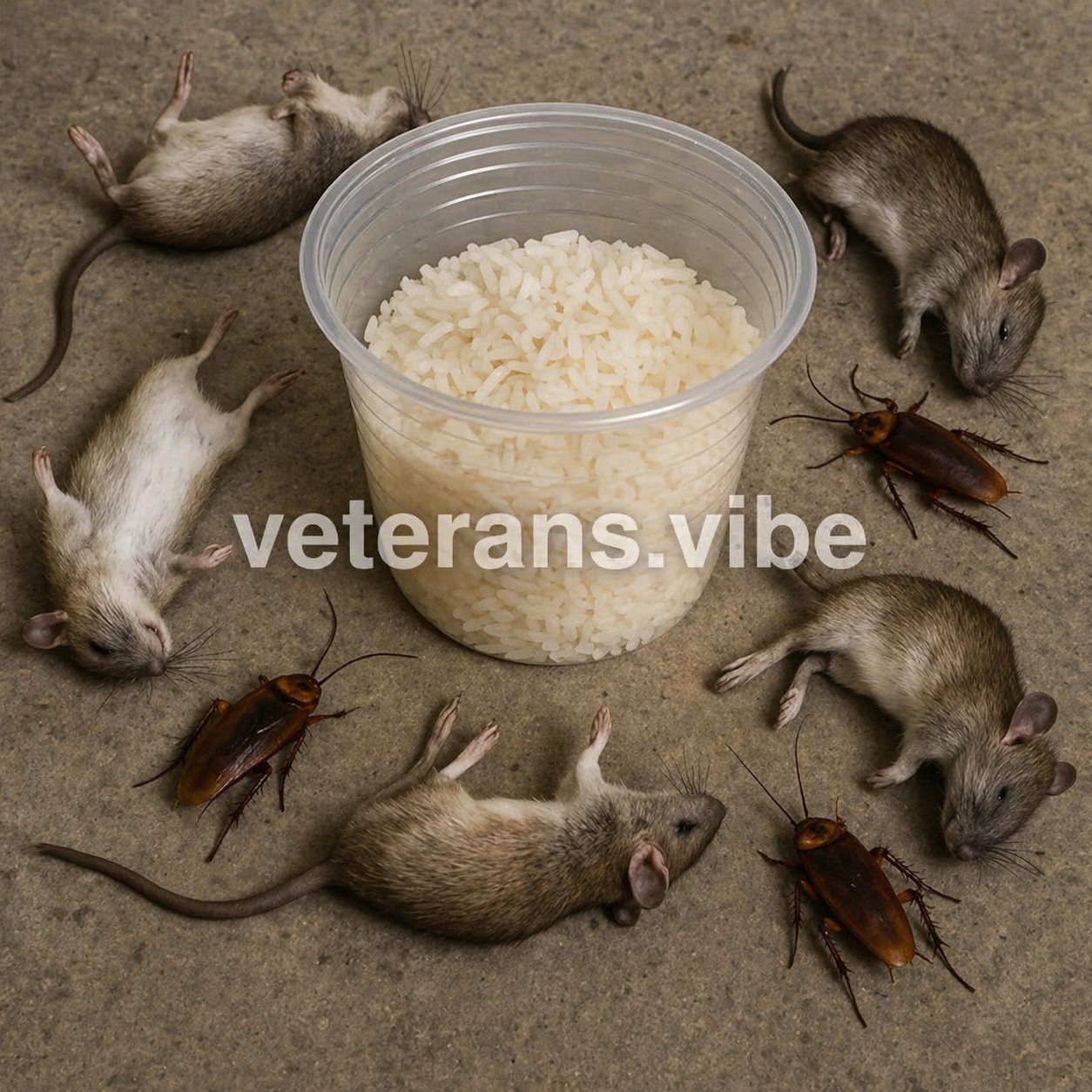
Dealing with unwanted pests like rats and cockroaches can be one of the most frustrating experiences for any homeowner. Even in homes that are well-maintained and regularly cleaned, these pests can appear unexpectedly and seem difficult to eliminate completely.
Many people turn to quick fixes—sprays, traps, or home remedies—hoping for immediate results. While these methods can sometimes provide short-term relief, they rarely solve the root of the problem. In many cases, pests return within days or weeks, leaving homeowners feeling stuck in a cycle.
The reality is that effective pest control is not about a single solution. It’s about understanding why pests are entering your home and making consistent changes that remove the conditions they depend on.
The good news is that with the right approach, you can significantly reduce pest activity over time and maintain a cleaner, healthier living environment.
Understanding Why Pests Enter Your Home
Before addressing the problem, it’s important to understand what attracts pests in the first place.
Most household pests are driven by three basic needs:
- Food
- Water
- Shelter
If your home provides even small amounts of these, it can become an ideal environment for pests to survive and reproduce.
The goal is not just to eliminate pests—but to eliminate the conditions that allow them to thrive.
Step 1: Remove Food Sources (The Foundation of Pest Control)
Food availability is one of the primary reasons pests remain in a home.
Even tiny crumbs or spills can provide enough nutrition for cockroaches and rodents.
Practical Actions
- Wipe kitchen counters daily
- Sweep or vacuum floors regularly
- Store food in sealed, airtight containers
- Avoid leaving pet food out overnight
- Empty trash bins frequently and keep them covered
Why This Works
When pests cannot find reliable food sources, they are far less likely to stay. Over time, reducing access to food can significantly decrease their presence.
Step 2: Eliminate Water and Moisture
Water is just as important as food for pests—especially for cockroaches, which rely heavily on moisture.
Common Hidden Sources of Water
- Leaking faucets or pipes
- Wet sinks left overnight
- Condensation under appliances
- Standing water in containers or trays
What You Can Do
- Fix leaks immediately
- Dry sinks and countertops before bedtime
- Avoid leaving dishes soaking overnight
- Check under sinks and appliances regularly
Why It Matters
Reducing moisture makes your home less suitable for pests, particularly in kitchens and bathrooms where they are most active.
Step 3: Seal Entry Points
Even if you clean thoroughly, pests can continue to enter your home if there are open access points.
Areas to Inspect
- Cracks in walls or foundations
- Gaps around doors and windows
- Openings near pipes or electrical wiring
- Vents and drainage systems
How to Seal Them
- Use caulk to close small cracks
- Install weather stripping on doors
- Fill larger openings with steel wool or mesh
The Benefit
By blocking entry points, you prevent new pests from entering and reduce the chances of reinfestation.
Step 4: Use Targeted Traps and Baits
Once food and water sources are minimized, targeted pest control methods become more effective.
For Cockroaches
- Use commercial bait stations
- Place them in areas where activity is visible
- Some DIY options exist, but effectiveness may vary
For Rodents
- Use snap traps or enclosed bait stations
- Place traps along walls or near known pathways
Important Safety Tips
- Keep traps away from children and pets
- Follow all product instructions carefully
- Monitor and replace traps as needed
Step 5: Reduce Clutter and Hiding Spots
Pests thrive in dark, undisturbed spaces where they can hide and reproduce.
Common Hiding Areas
- Behind large appliances
- Inside cabinets and drawers
- Storage boxes and cluttered spaces
- Basements and garages
How to Reduce Hiding Spots
- Declutter regularly
- Organize storage areas
- Avoid stacking unnecessary cardboard or paper
- Clean behind appliances when possible
Why This Helps
Fewer hiding places make your home less attractive to pests and limit their ability to multiply.
Step 6: Stay Consistent With Prevention
One of the most common mistakes people make is stopping too soon.
Even when pest activity decreases, it’s important to maintain:
- Cleaning routines
- Regular inspections
- Sealed entry points
Consistency is what turns short-term results into long-term success.
How Long Does It Take to See Results?
Some improvements—such as fewer sightings—may happen quickly once food and water sources are removed.
However, complete control depends on several factors:
- The severity of the infestation
- The type of pest
- How consistently prevention steps are followed
It’s important to view pest control as a process rather than an instant fix.
When to Call a Professional
In some cases, professional pest control services may be necessary.
Signs You May Need Help
- Frequent sightings despite cleaning efforts
- Evidence of nesting or breeding
- Structural damage (especially from rodents)
- Strong odors or visible droppings
What Professionals Can Do
- Identify hidden entry points
- Apply targeted treatments
- Provide long-term prevention strategies
Common Mistakes to Avoid
1. Relying Only on Sprays
Sprays may provide temporary relief but do not address the root cause.
2. Ignoring Early Signs
Small signs—such as droppings or occasional sightings—should be taken seriously.
3. Leaving Food or Water Overnight
Even minimal amounts can sustain pests and undo your progress.
4. Skipping Entry Point Sealing
Without sealing access points, pests can continue to return.
A Balanced Approach to Pest Control
Effective pest control is not based on a single solution. It requires a combination of strategies:
- Prevention through cleaning and maintenance
- Structural improvements like sealing entry points
- Targeted use of traps and baits
When these methods are combined consistently, they create an environment where pests cannot thrive.
Final Thoughts
Getting rid of rats and cockroaches is rarely about a quick fix. Instead, it’s about creating conditions that discourage pests from staying in your home.
By focusing on:
- Removing food sources
- Eliminating water access
- Sealing entry points
- Keeping your home organized and clean
you can significantly reduce pest activity over time.
Conclusion
The most effective pest control strategies are often the simplest—but they require consistency.
Small, daily habits—like cleaning up crumbs, fixing leaks, and checking for gaps—can make a big difference over time.
With patience and the right approach, you can create a home environment that is far less inviting to pests and far more comfortable for you.